🔊 Car Audio Guide
16 Gauge Car Audio Speaker Wire: When to Use It & How to Wire It
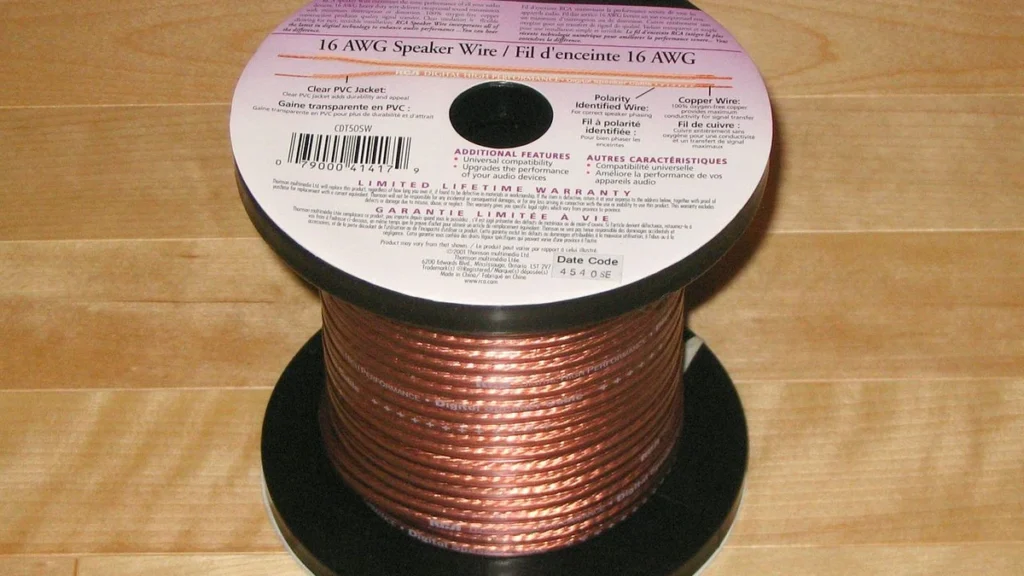
16 gauge (AWG) speaker wire is the go-to size for most car door and coaxial speakers — a smart balance of low resistance, easy routing and low cost. Here’s when 16-gauge is the right choice, when to step up to thicker wire, and how to wire your speakers cleanly.
Door/Coax SpeakersUp to ~50–100W RMSOFC vs CCAWiring Steps
🔎 Quick Answer: 16 gauge (AWG) car audio speaker wire is ideal for typical door and coaxial speakers running off a head unit or a modest amp — roughly up to ~50–100W RMS per channel over runs up to ~25–35 ft. For high-power components, subwoofers or long runs, step up to 14 or 12 gauge. Choose OFC (oxygen-free copper) over CCA for the best conductivity.
Is 16 Gauge Enough for Your Speakers?
Wire gauge is about resistance: thinner wire over a longer run loses more power and damping. For most factory-replacement and aftermarket door/coaxial speakers, 16-gauge keeps resistance comfortably low. The rule of thumb is to keep total wire resistance under about 5% of the speaker’s impedance.
✅ Quick verdict: 16-gauge is the right default for door speakers and tweeters. Save 14/12-gauge for subwoofers, high-power components, or long amp-to-speaker runs.
Recommended Gauge by Power & Run Length
| Use Case | Run Length | Suggested Gauge |
|---|---|---|
| Door/coax speakers (head unit) | Any typical run | 16 AWG |
| Speakers off a 4-ch amp | Up to ~25 ft | 16 AWG |
| Higher-power components | 25–40 ft | 14 AWG |
| Subwoofer / high RMS | Any | 12–14 AWG |
| Tweeters / short runs | Short | 16–18 AWG |
OFC vs CCA — What to Buy
✅ OFC (Oxygen-Free Copper)
- Lowest resistance, best conductivity
- Handles rated power reliably
- Resists corrosion over time
- Worth it for clean, full-power sound
⚠️ CCA (Copper-Clad Aluminum)
- Cheaper and lighter
- Higher resistance than pure copper
- May need a thicker gauge to match OFC
- Fine for budget low-power runs
What to Look For in Good Speaker Wire
- Pure OFC stranded copper for flexibility and conductivity
- Clear polarity markings (stripe, color or printing) so you keep speakers in phase
- Flexible jacket that routes easily under trim and through door boots
- True-gauge rating — some budget wire is over-stated; buy reputable brands
How to Wire Car Speakers with 16-Gauge
- 1
Plan the runRoute wire away from power cables and sharp edges; use grommets through metal.
- 2
Measure and cutCut each run a little long; label which speaker each pair feeds.
- 3
Strip and connectStrip ~1/4″, crimp or solder to connectors, and observe + / – polarity on every speaker.
- 4
Keep speakers in phaseMatch positive-to-positive across all speakers so they move together.
- 5
Secure and testLoom or tape the wire, avoid pinch points in the door boot, then test each speaker.
🔧 Phase matters: One reversed speaker kills bass and imaging. Double-check polarity before reassembling panels.
Frequently Asked Questions
Is 16 gauge speaker wire good for car audio?
Yes — 16-gauge is the standard choice for car door and coaxial speakers at typical power levels and run lengths. It only falls short for subwoofers, very high-power setups or long runs.
Can I use 16 gauge wire for a subwoofer?
It’s not ideal. Subwoofers draw more current, so 12 or 14-gauge is recommended to avoid power loss and keep the bass tight.
What’s the difference between 16 and 14 gauge?
14-gauge is thicker with lower resistance, better for higher power and longer runs. 16-gauge is thinner, cheaper and perfect for standard speakers.
Does speaker wire polarity matter?
Yes. Reversed polarity puts a speaker out of phase, which thins the sound and cancels bass. Always match + to + and – to –.
Is OFC really better than CCA?
OFC has lower resistance and carries full power more reliably. CCA is cheaper but may need a thicker gauge to perform similarly; OFC is the safer choice.
Wiring Up New Car Speakers?
Use OFC 16-gauge for door and coax speakers, step up to 12–14 gauge for subs, and keep every speaker in phase for clean, full sound.